





Advantages of washing pavement
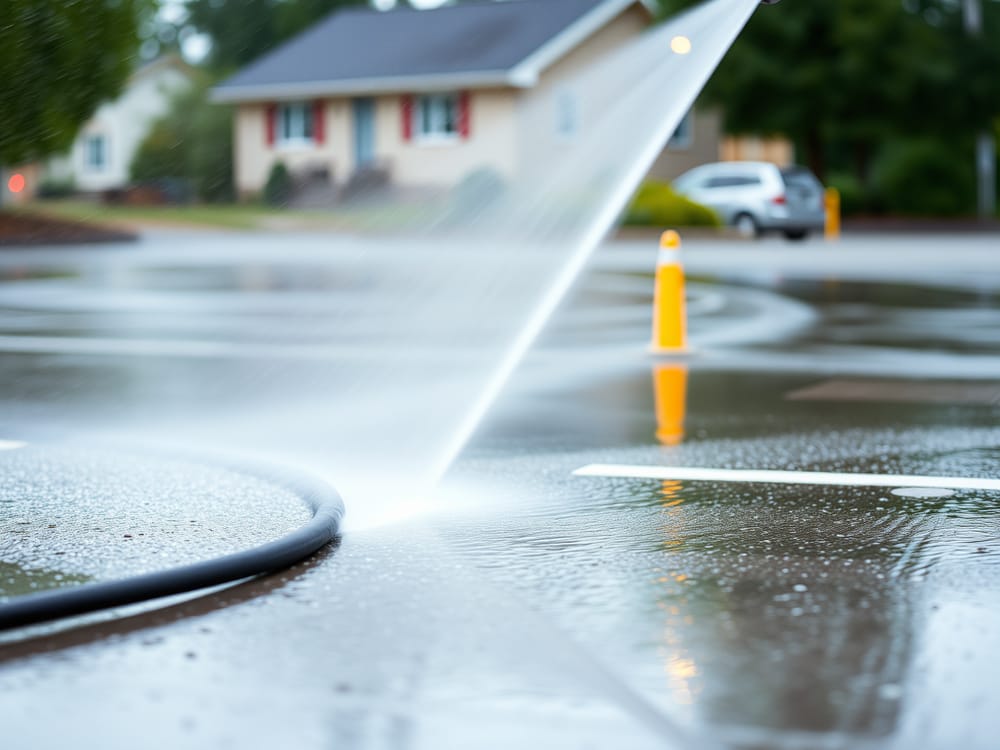
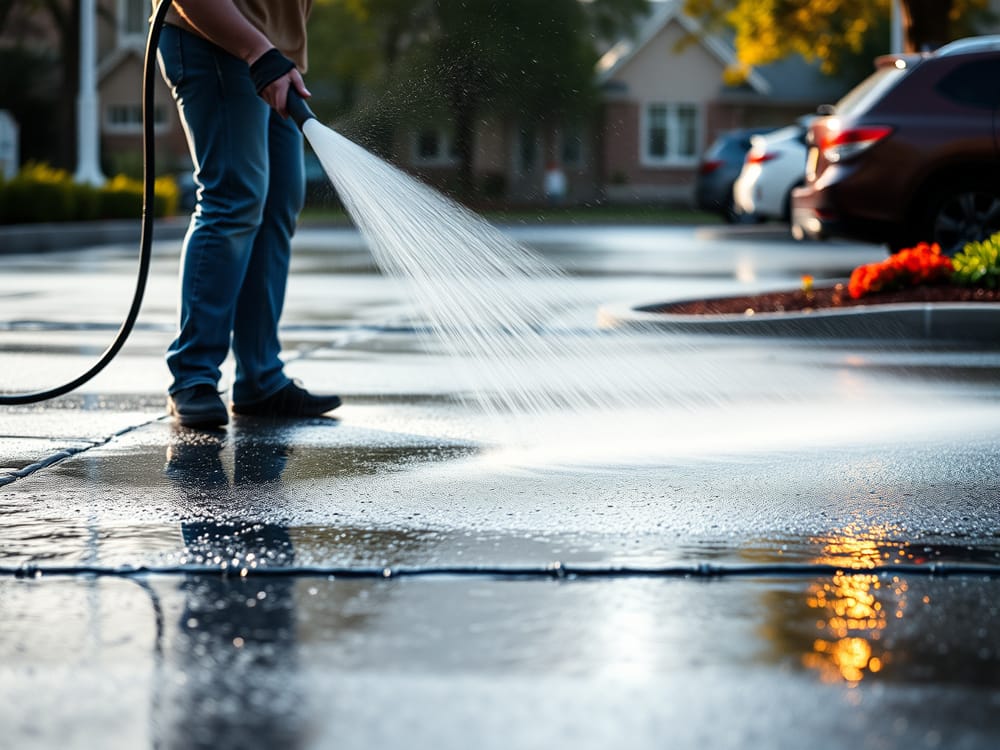
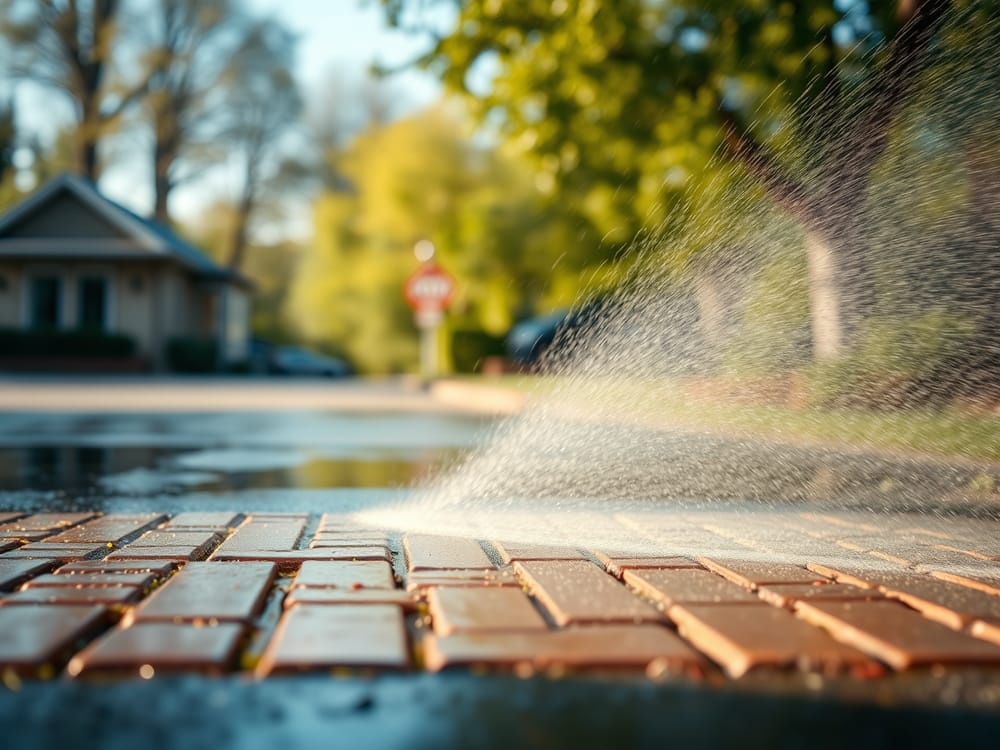
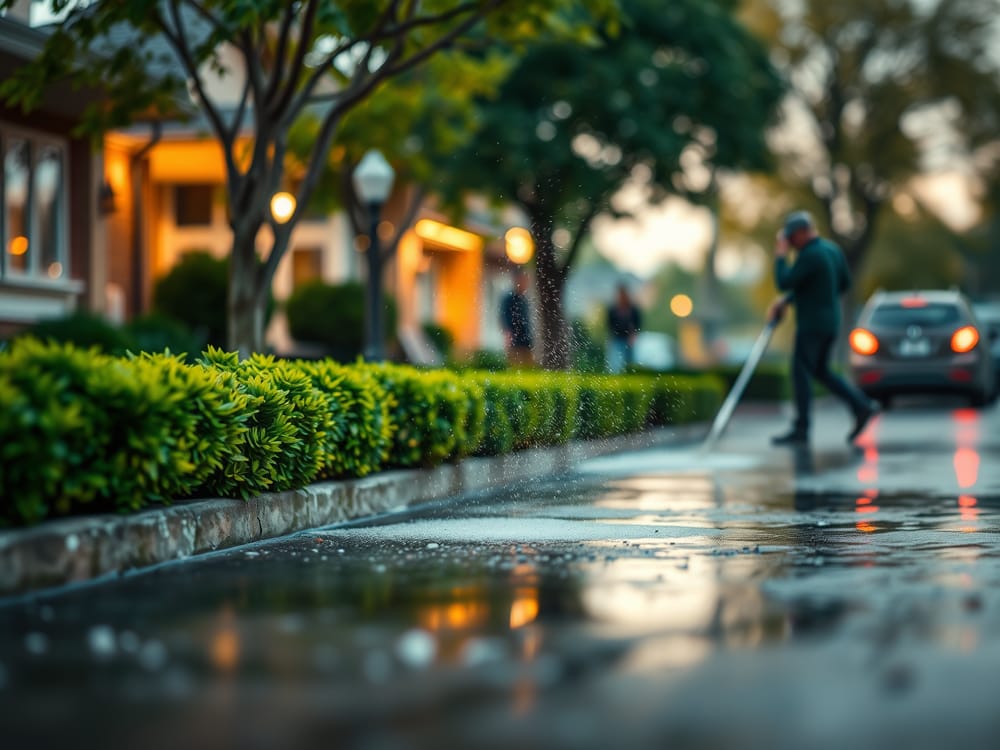
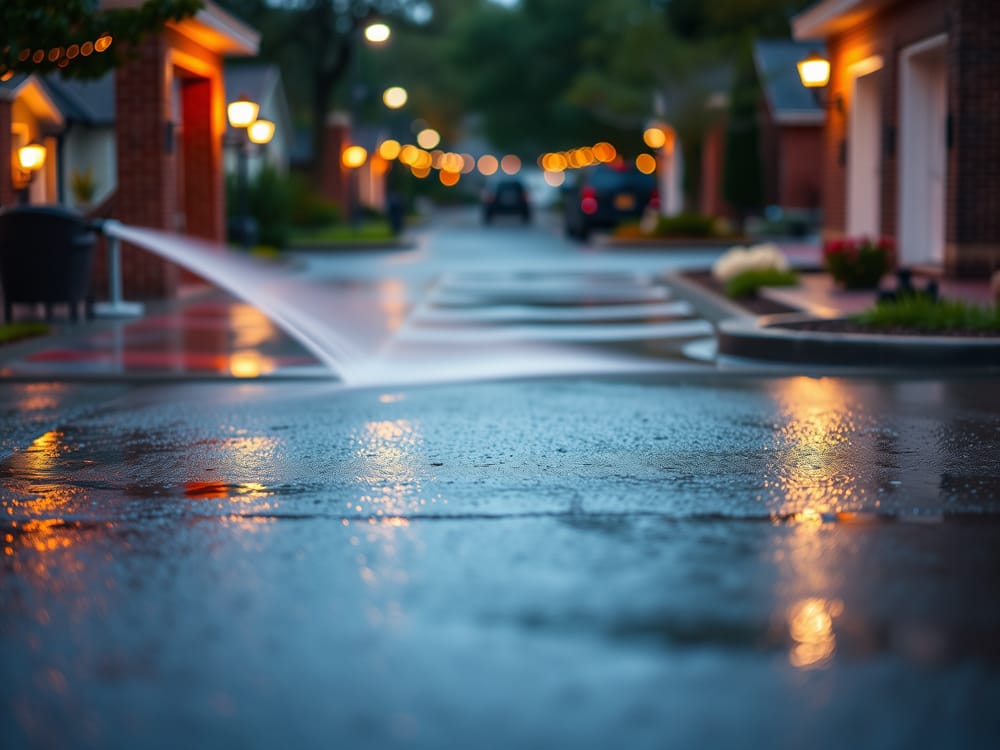
Pavement washing, often done with water pressure cleaning, is a process that offers a number of benefits for both residential and commercial applications. This comprehensive treatment, which includes a powerful jet of water pressure, greatly improves the curb appeal of your property, thereby increasing property value. A clean driveway, sidewalk or commercial parking lot creates a positive image for visitors, customers or potential buyers. It gives the impression of a well-maintained and clean environment.
Washing the pavement not only improves aesthetics, but also has a beneficial effect on health. Water puddles, leaks, stains and dirt accumulations can harbor harmful bacteria or allergens that can affect public health. Pressure washing effectively eliminates these pathogens, creating a cleaner and healthier outdoor living environment for everyone. Regular washing of sidewalks can also control disease-causing molds, mildews, and mosses.
Pressure cleaning has also proven to be beneficial in terms of preventative maintenance. Continuous exposure to UV rays, rain, wind, dirt, and grime can cause pavement surface degradation over time, a process that can result in cracks, potholes, and other damage that can require expensive repair or replacement. Regular pressure washing not only keeps these surfaces clean, but also extends their service life by actively removing harmful substances.
The high water pressure used in pavement washing is very effective in reducing the use of harmful chemical cleaning agents. This promotes environmental protection by reducing our dependence on aggressive and potentially polluting substances. It is a more environmentally friendly cleaning method that produces minimal waste and is safe for surrounding greenery and water sources.
Finally, using a professional pressure washing service to clean your sidewalks can save you the time and physical labor associated with washing surfaces by hand. The powerful equipment used in this process quickly removes even the most stubborn stains, marks and debris. In return, you get a cleaner, safer and more beautiful property in less time.
In conclusion, sidewalk washing, especially with water pressure cleaning, is an efficient, environmentally friendly, and effective technique for maintaining the aesthetic appearance and durability of sidewalks while contributing to a healthier environment. It saves valuable resources such as time and reduces the use of chemical cleaners, making it an option worth considering for all property owners.
Effective water pressure cleaning techniques for cleaning pavement
Pavement washing and pressure cleaning are widely used techniques in the maintenance of both residential and commercial properties. These techniques are effective at removing stubborn stains, dirt, moss, algae, mold and resin from walkways, driveways, patios and parking lots, restoring their cleanliness and overall appeal. To achieve effective results, experts use various methods that increase efficiency and minimize potential damage.
The first step in effective water pressure cleaning of sidewalks is choosing the right pressure washer. This choice should be made taking into account the type of dirt or stain to be removed, as well as the type of covering. For general household use, pressure washers with around 2,000 to 3,000 PSI (pounds per square inch) are often sufficient. More persistent dirt may require higher PSI ratings.
Once the right equipment is selected, the next step is to prepare the area for cleaning. This may include sweeping the surface to remove loose debris or pre-soaking with water to loosen hardened materials. Degreasers or detergents can be used for particularly persistent or persistent stains. When using such substances, the effectiveness of the cleaning solution can be increased by using a rotating cleaning brush.
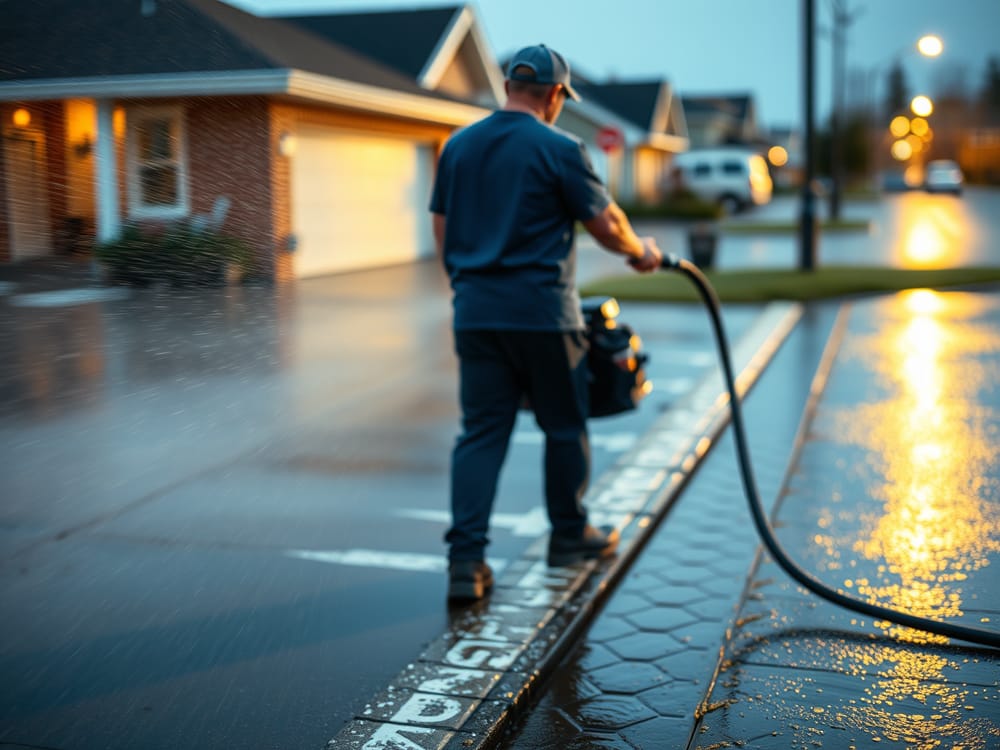
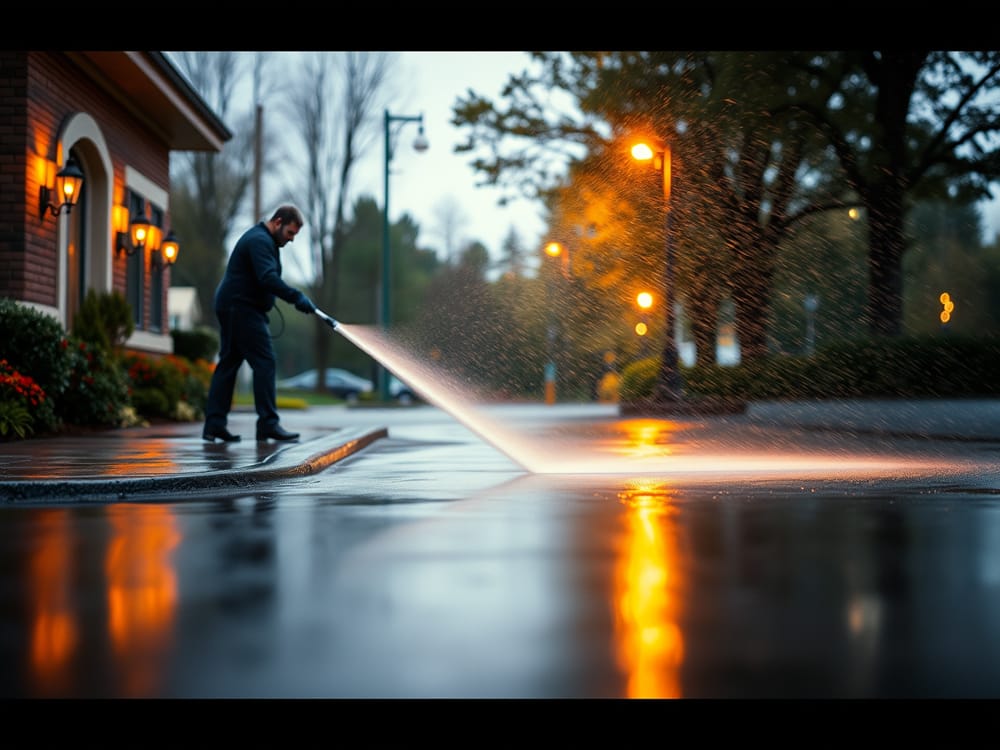
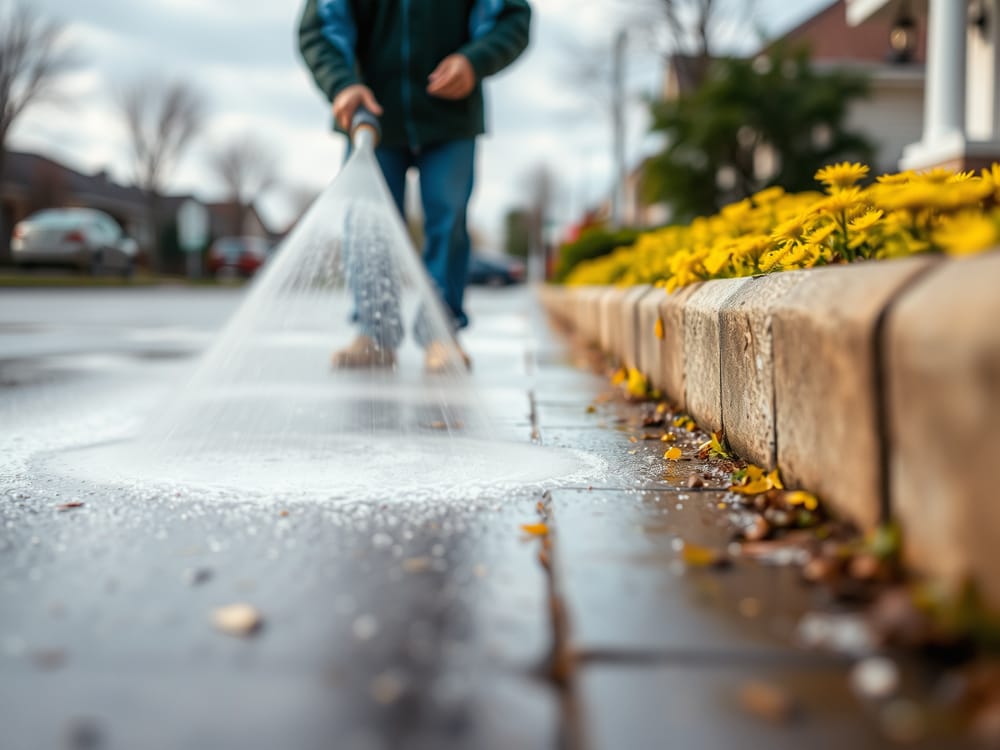
After surface preparation, water pressure cleaning can begin. This should be done systematically, and experts often recommend starting at the highest point of the area to be cleaned and gradually working your way down – this allows the dirty water to drain automatically downwards, reducing re-staining. This process must be repeated until the desired results are achieved, while continuously assessing the condition of the pavement to avoid unnecessary damage.
In addition, the pressure should be adjusted depending on the condition and type of pavement. Concrete and paving usually withstand more pressure, while soft materials such as sandstone may require a gentle washing method.
After cleaning, the surface should be left to dry naturally, which may take a few hours. Care should be taken to re-sand the paver joints if necessary, and applying a quality sealer can help protect the surface for longer.
With such careful and thoughtful application of methods, paver washing and pressure cleaning can effectively extend the life of a paver, improve its visual appeal and maintain its safety by removing slippery substances such as moss and algae.
The importance of regular pavement maintenance
Regular pavement maintenance is very important as it preserves the longevity and aesthetics of the pavement while protecting people from potential accidents. Pavements are often exposed to harsh environmental conditions, mechanical wear and heavy traffic, which can cause them to wear out over time. This emphasizes the need for systematic maintenance, which includes washing and high-pressure water cleaning of the pavement as the main methods to ensure that the quality of the pavement is maintained.
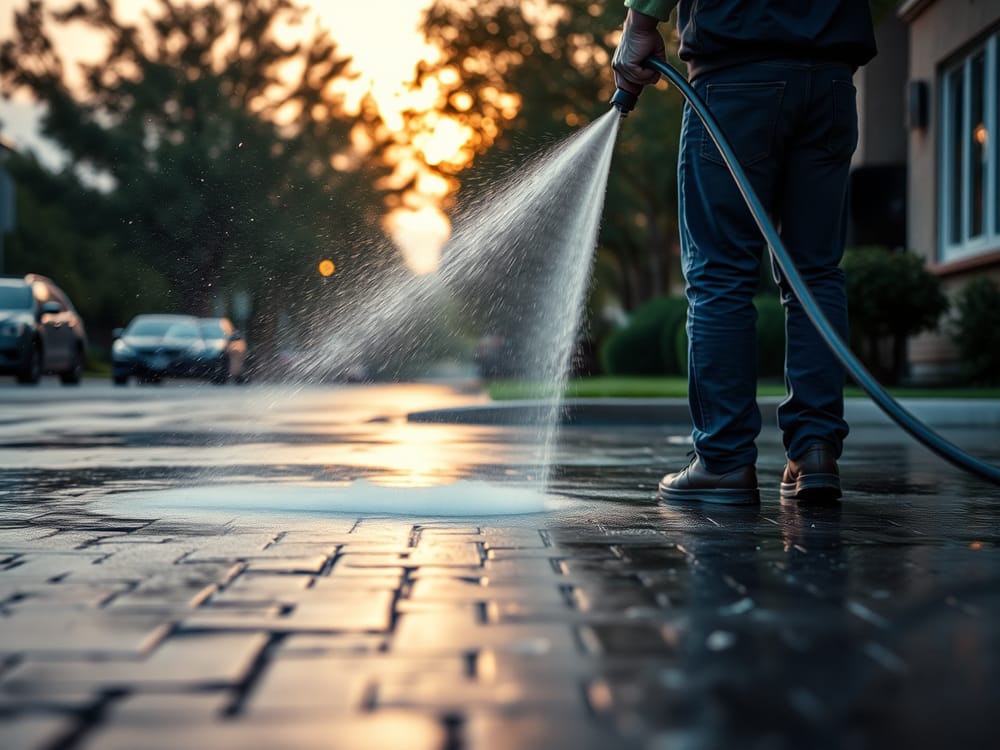
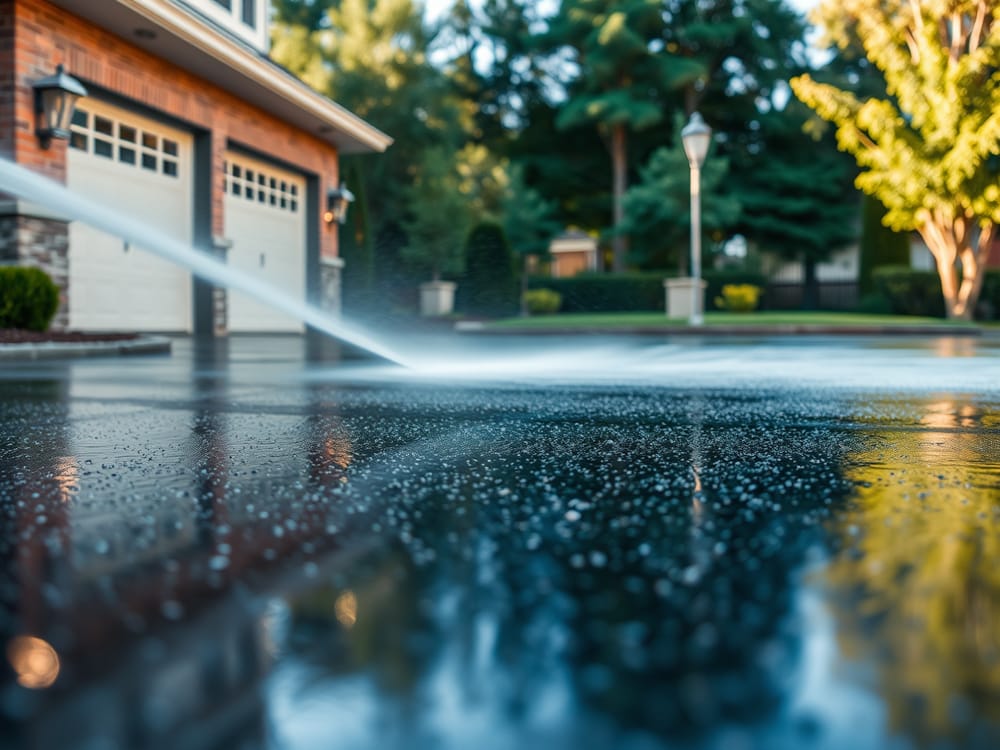
Pavement washing, or power washing, uses the power of high pressure water to remove any loose material, algae, moss, dirt or stains that may have accumulated on the surface of the pavement over time. This process effectively reaches cracks and crevices, hidden places not easily accessible with traditional cleaning tools, providing a thorough and comprehensive cleaning. Not only does it improve the appearance of sidewalks by giving them a fresh, clean look, but it also improves overall safety by eliminating slippery substances that can cause falls or accidents.
Likewise, cleaning with water is another effective maintenance method. High-pressure cleaning with water pushes the accumulated debris and dirt from the surface and pores of the pavement, making it clean and similar to its original condition. This practice helps protect the pavement from early degradation caused by the corrosive action of entrapped debris, oil, chemicals and other hazardous materials.
These regular maintenance processes can also reveal areas that require additional attention, such as uneven sections, widening cracks, or surfaces showing signs of severe wear and tear. This allows pavement managers to perform preventative maintenance before minor problems turn into serious and costly repairs.
In conclusion, it must be concluded that regular pavement maintenance, especially pavement washing and cleaning with high-pressure water, plays an indispensable role in maintaining the structural integrity and safety of the pavement. They not only improve the appearance, thus enriching the visual appeal of the surroundings, but also extend the service life of the pavements, preventing frequent and expensive replacement or repair. Thus, investing time and resources in regular coverage maintenance is truly beneficial in the long term, offering users cost-effective, safe and attractive coverage.